Cart
0

Let’s be real for a second: the relationship between melanin-rich skin and sunscreen has been… complicated.
For years, many of us were told we didn’t even need it. "Black doesn’t crack," right? While our melanin does provide some natural protection, it isn't a magic shield against UV rays. Then, when we finally decided to do the "right thing" and buy a bottle, we usually ended up looking like we’d just walked off the set of a ghost movie. That dreaded purple-gray "white cast" is enough to make anyone want to toss their SPF in the trash.
But here’s the truth: if you’re struggling with acne, dark marks, or uneven skin tone, sunscreen is actually the most important step in your routine. Without it, those dark spots (hyperpigmentation) will just keep getting darker, no matter how many expensive serums you use.
The real question isn't if you should wear sunscreen, but which type is actually going to help your skin heal without the irritation or the ghost-like finish. Today, we’re breaking down the Great Sunscreen Debate: Physical vs. Chemical.
What’s the Difference, Anyway?
Before we dive into which one is better for skincare for people of color, let’s look at how they actually work. Think of them as two different types of security guards for your face.
Chemical Sunscreens
Chemical sunscreens (containing ingredients like oxybenzone or avobenzone) work like a sponge. They soak into the skin, absorb UV rays, convert that energy into heat, and then release that heat from the skin.
Physical Sunscreens
Physical sunscreens (also known as mineral sunscreens) work like a shield. They contain active mineral ingredients: usually Titanium Dioxide or Zinc Oxide: that sit on top of the skin and physically deflect and scatter UV rays away from your body like a mirror.
The Heat Factor: Why Chemical Might Be Sabotaging Your Glow
For those of us with melanin-rich skin, hyperpigmentation is often our #1 concern. Whether it’s from old acne breakouts or melasma, we want those marks gone.
Here is the secret many generic brands won't tell you: because chemical sunscreens convert UV rays into heat, they can actually trigger more pigment production. Heat is a known trigger for melanocytes (the cells that produce melanin). If your skin is already prone to inflammation or "heat-induced" pigment, a chemical sunscreen might actually be keeping your dark marks around longer.
On the flip side, physical sunscreen for melanin skin stays cool. Because it reflects the light and heat away, it doesn't raise the temperature of your skin. This makes it a much safer bet if you’re trying to clear up chronic acne and fade hyperpigmentation.
But What About the White Cast?
I hear you. "E'toshia, I am not trying to look like a mime."
The "white cast" is the #1 reason people of color avoid physical sunscreens. Historically, the mineral particles were large and sat on the skin like thick white paint. But skincare science has come a long way!
At Faces by Etosh, we’ve curated solutions specifically designed for our community. Our Titanium Dioxide SPF 35 is a game-changer. It’s a physical sunscreen that provides broad-spectrum protection without leaving you looking ashier than a campfire. It’s formulated to blend into deeper skin tones while providing that essential "shield" your skin needs to heal.
Why Physical Sunscreen Wins for Acne-Prone Skin
If you’re using our Acne Breakout Kit, your skin is already in a state of transition. You’re likely using active ingredients like mandelic acid or salicylic acid to clear out your pores. These ingredients make your skin more sensitive to the sun.
Physical sunscreens are generally much gentler on sensitive or acne-prone skin. Chemical filters can sometimes cause "allergic contact dermatitis" or stinging, especially if your skin barrier is already a bit compromised from fighting breakouts. Mineral options like Titanium Dioxide are naturally calming and way less likely to cause a reaction.
Plus, physical sunscreen works immediately. You apply it, and you’re protected. Chemical sunscreens require a 15–20 minute wait time before they actually start working. Who has time for that?
The Importance of Professional Guidance
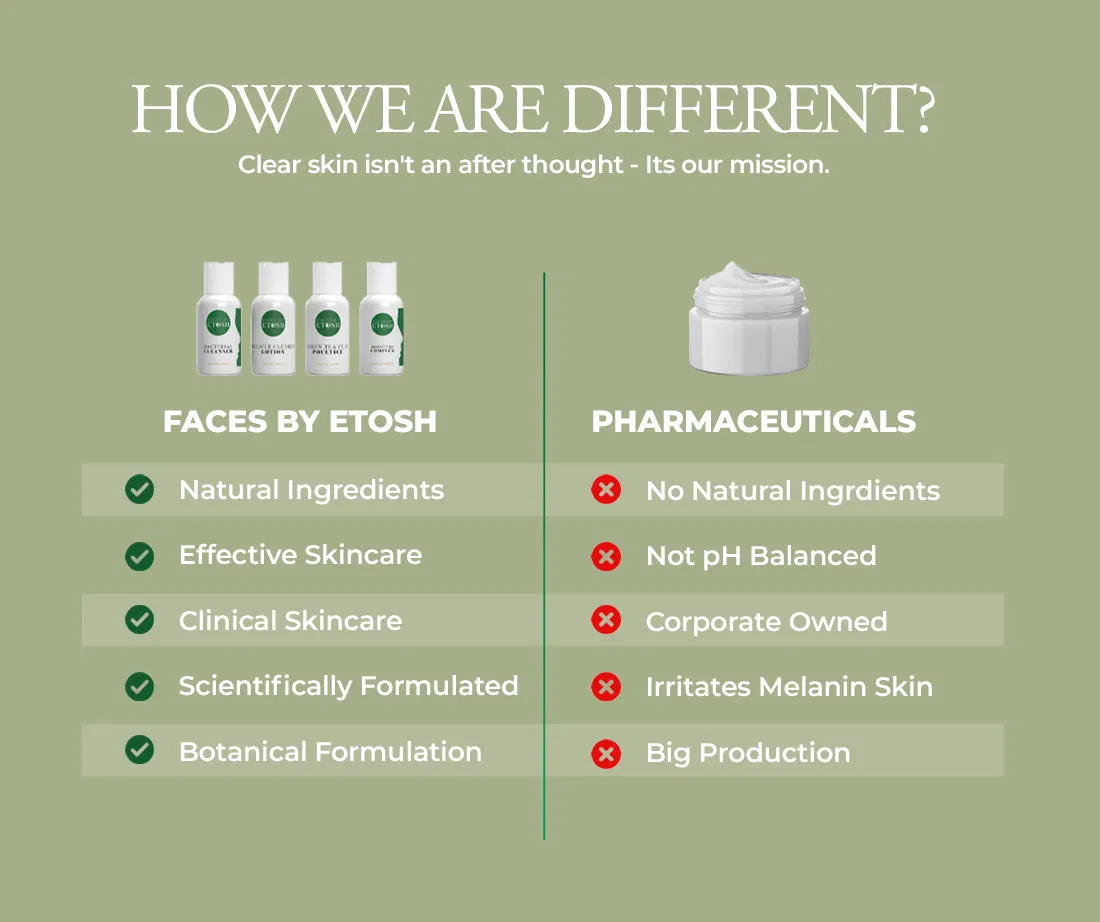
Choosing a sunscreen is just one piece of the puzzle. At Faces by Etosh, we don't believe in "one size fits all" skincare. You can buy the best sunscreen in the world, but if the rest of your routine isn't balanced, you won't see the results you deserve.
Most "generic" skincare brands aren't thinking about the unique needs of melanin-rich skin: the way we scar, the way we produce oil, and the way our skin reacts to heat. That’s why we focus on an expert-led approach. We don't just sell you a bottle; we help you understand your skin's specific needs.
Whether you're starting with our Even Skin Essentials Set or looking for a full Skin Goals Set, we’re here to guide you through the process of clearing your skin and keeping it that way.
How to Build Sunscreen into Your Routine
Ready to make the switch? Here is how to do it right:
- Cleanse: Start with a clean slate using something like our Purifying Cleanser.
- Treat: Apply your corrective serums or toner pads.
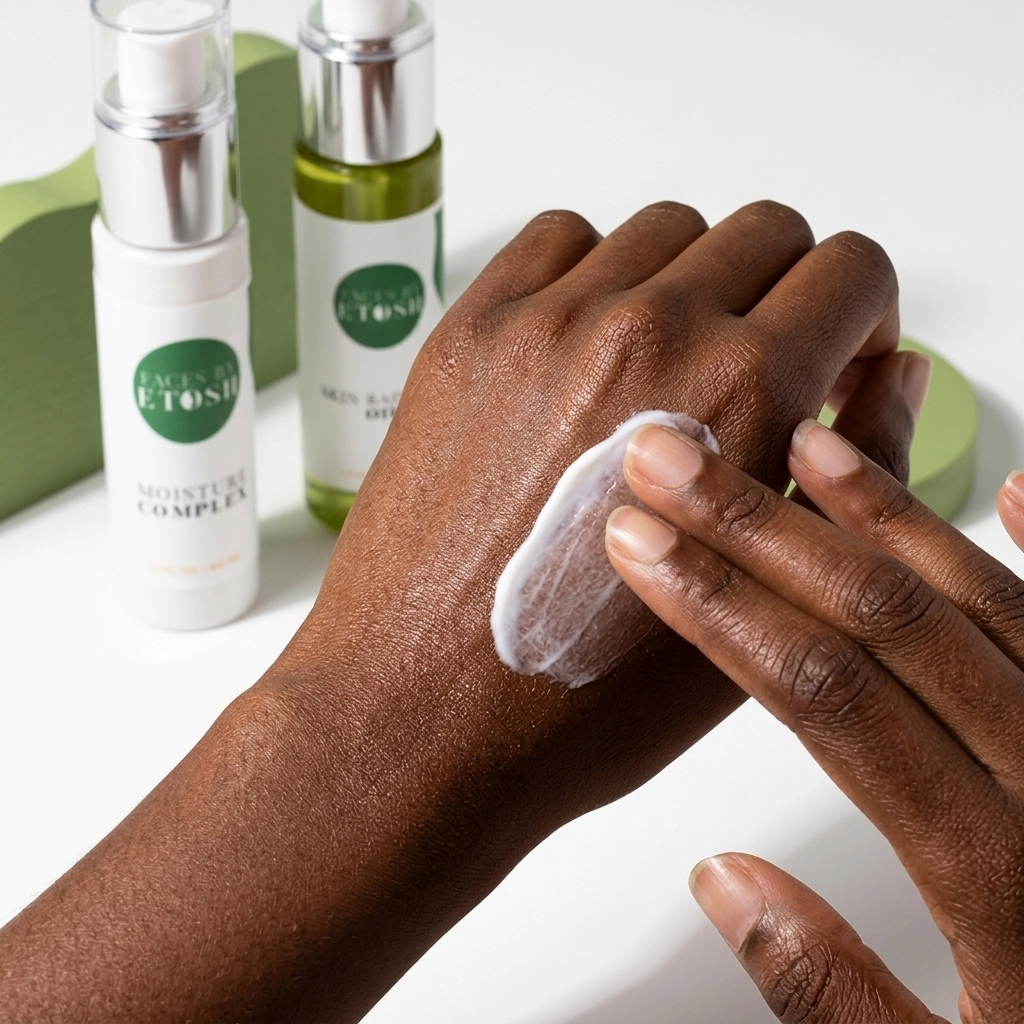
- Moisturize: Use a moisture-locking complex to keep your skin hydrated. Our Moisture Complex is perfect for this.
- Protect: Apply your Physical SPF 35 as the very last step.
- Reapply: If you’re outside or sitting by a window, reapply every two hours!

Real Results in 21 Days
We’ve seen it time and time again: when clients switch to a professional-grade, physical sunscreen and follow a structured routine, their skin transforms. We often say "Clear Skin in 21 Days" because that's when you really start to see the inflammation go down and the glow start to come through.
By protecting your skin from the sun’s rays (and the heat!), you give your skin the "breathing room" it needs to repair itself. Those dark marks start to fade faster because they aren't being constantly "re-stimulated" by UV exposure.
Final Thoughts
At the end of the day, the best sunscreen is the one you will actually wear every single morning. But if you want to tackle hyperpigmentation and acne head-on, physical sunscreen is the clear winner for melanin-rich skin. It protects better, keeps the skin cooler, and: thanks to modern formulations: leaves you looking radiant, not ghostly.
Stop guessing with your skin. You’ve spent enough time (and money) on store-bought solutions that don't quite get the job done. Let’s get you on a path to clear, confident skin with products designed specifically for you.
Ready to level up your glow? Check out our curated collection here and let's get to work!